Insights

How can asset finance help preserve business cash flow? Buying equipment, vehicles or machinery outright can create a significant cash-flow hit. You may have the money available today, but using it all today isn't necessarily the best decision for the business. Asset finance provides another option. Instead of paying the full cost upfront, the business can spread the cost over an agreed period, depending on the structure. Forms can include hire purchase, finance lease, operating lease and asset refinance.

How do you finance a management buyout? A management buyout, or MBO, is when an existing management team acquires the business they currently work in. An MBO can be an attractive route for a business owner looking to exit while giving management an opportunity to take control of a business they already understand. The challenge is funding the purchase.

What deposit do you need for a commercial mortgage? There isn't one universal commercial mortgage deposit. The amount depends on the property, borrower, lender and transaction. Commercial mortgages are often assessed on loan-to-value, but maximum LTV can vary significantly.

How do lenders assess commercial property? Commercial property lending isn't simply about asking, 'What is the property worth?' The lender is trying to understand the overall risk of the transaction. The property itself matters: location, type, condition, marketability, value, alternative uses and demand.

Owner-occupied vs commercial investment mortgages The distinction is straightforward: an owner-occupied commercial mortgage finances premises used by your own business; a commercial investment mortgage finances property you intend to let to another business. The lender is therefore looking at two different sources of repayment.
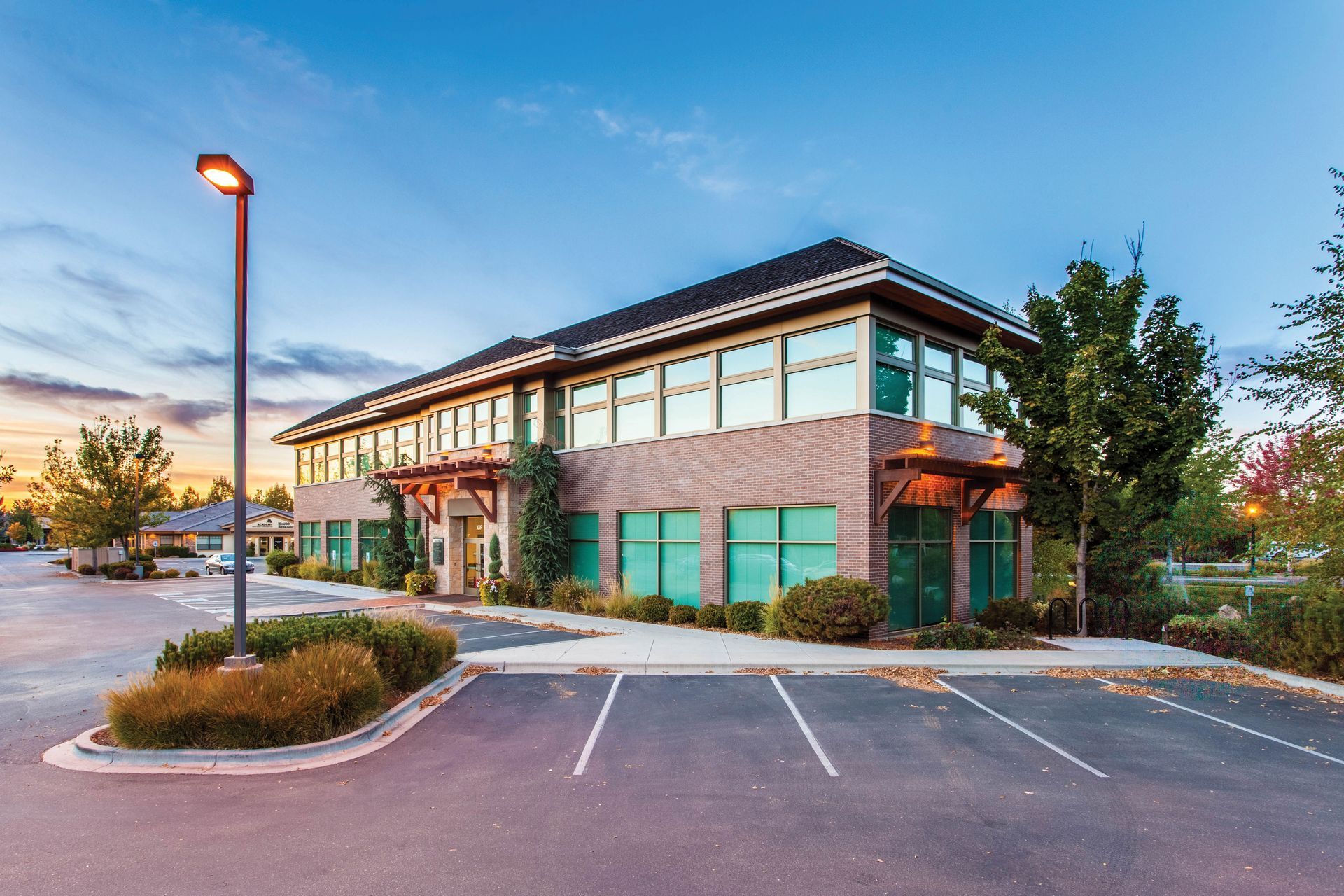
What is a commercial mortgage? A commercial mortgage is a loan secured against commercial property. It can be used to purchase or refinance offices, industrial units, shops, warehouses, retail premises and other commercial buildings. It can also be used for mixed-use property. There are broadly two types.

Auction finance vs bridging finance The terms are often used interchangeably, but there is a subtle distinction. Auction finance is generally bridging finance structured specifically around an auction purchase and its completion deadline. Bridging finance itself is much broader. Auction finance is driven by the deadline. You have committed to buy a property and need short-term funding to complete within the auction's contractual timescale.

What happens if a property is unmortgageable? A property being described as 'unmortgageable' doesn't necessarily mean it can't be financed. It usually means that a conventional mortgage lender is unwilling or unable to lend against it in its current condition. There are many reasons: no functioning kitchen or bathroom, significant structural defects, major refurbishment, incomplete works, missing services, planning issues, unusual construction or short-term title problems. The important thing is to understand why the property is unmortgageable.

How quickly can auction finance complete? Auction purchases are often driven by a deadline. That deadline might be 28 days, although the exact requirement depends on the auction contract. Specialist auction finance is designed around this type of time pressure, but there isn't one universal completion time. A straightforward transaction with a clear property, experienced borrower, suitable valuation and clean legal work can move quickly. A more complex property can take longer.

How does auction finance work? Buying a property at auction is very different from buying through the traditional sales process. Once the hammer falls, you have generally exchanged contracts and become committed to completing in accordance with the auction conditions. That is why finance needs to be considered before you bid, rather than after.