
What happens if a property is unmortgageable?
A property being described as 'unmortgageable' doesn't necessarily mean it can't be financed. It usually means that a conventional mortgage lender is unwilling or unable to lend against it in its current condition.
There are many reasons: no functioning kitchen or bathroom, significant structural defects, major refurbishment, incomplete works, missing services, planning issues, unusual construction or short-term title problems.
The important thing is to understand why the property is unmortgageable.
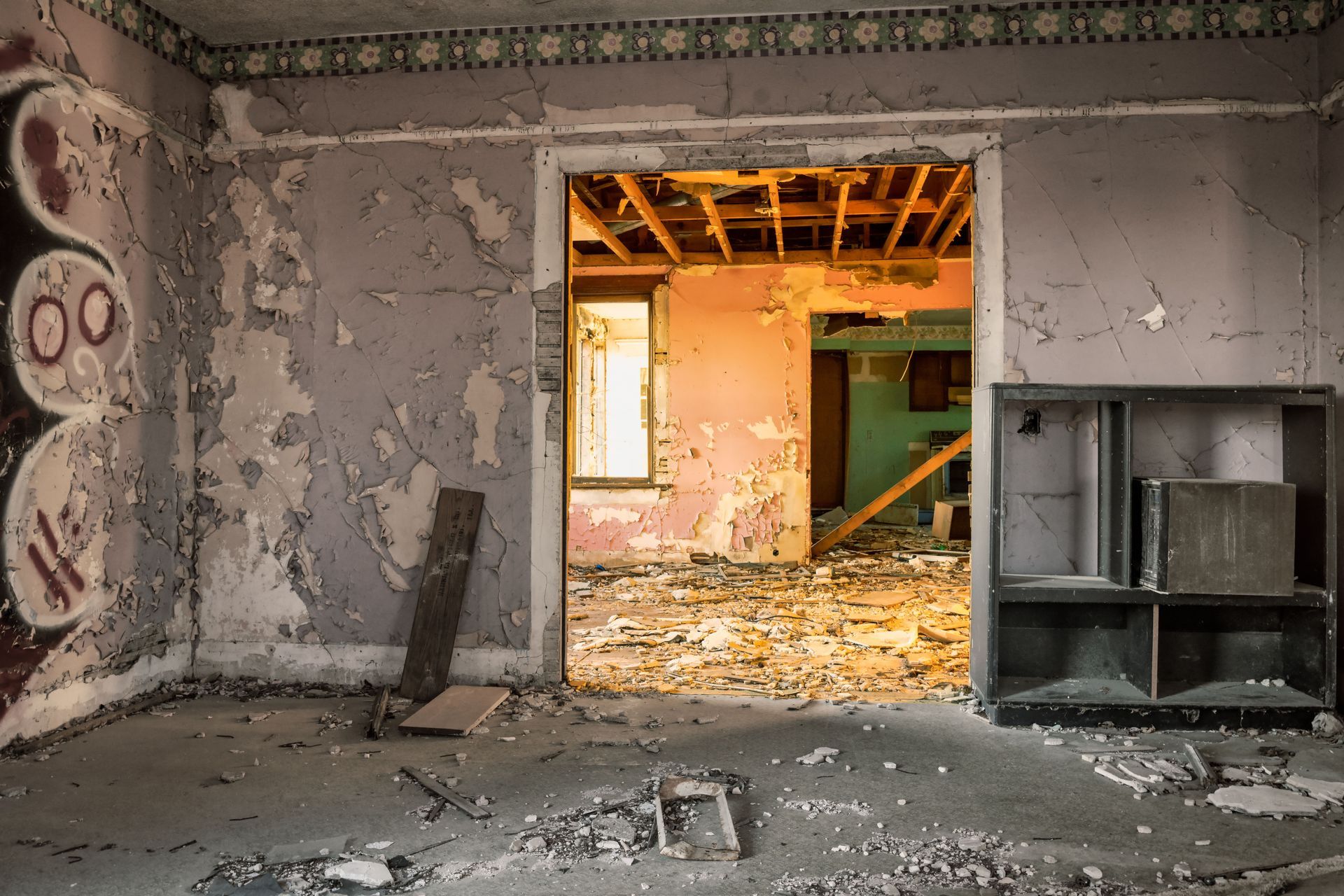
Short-term bridging finance can potentially allow an investor to acquire the property, carry out the necessary works and then refinance once it meets a conventional lender's criteria.
The exit is critical. Before arranging the finance, you should know how you intend to repay it. For example: purchase, refurbish, refinance onto BTL; or purchase, refurbish and sell.
The lender needs to understand both the current property and, where relevant, the proposed works and future position.
For an investor who understands the opportunity, an unmortgageable property can sometimes be exactly where the value lies. The key is making sure the finance, works and exit strategy are aligned before committing to the purchase.